
Night operations
Thermal roof and building-envelope surveys after sunset, when trapped moisture and heat loss show the strongest contrast.
Airspace authorisations
Sites near controlled airports or above 400 ft need CASA authorisation. We check the airspace at quoting, apply for it, and keep a radio watch with ATC-qualified pilots.
Near people
As close as 15 m from people with their written consent (CASR 101.245), with exclusion zones and timing planned so occupied buildings can often stay open.

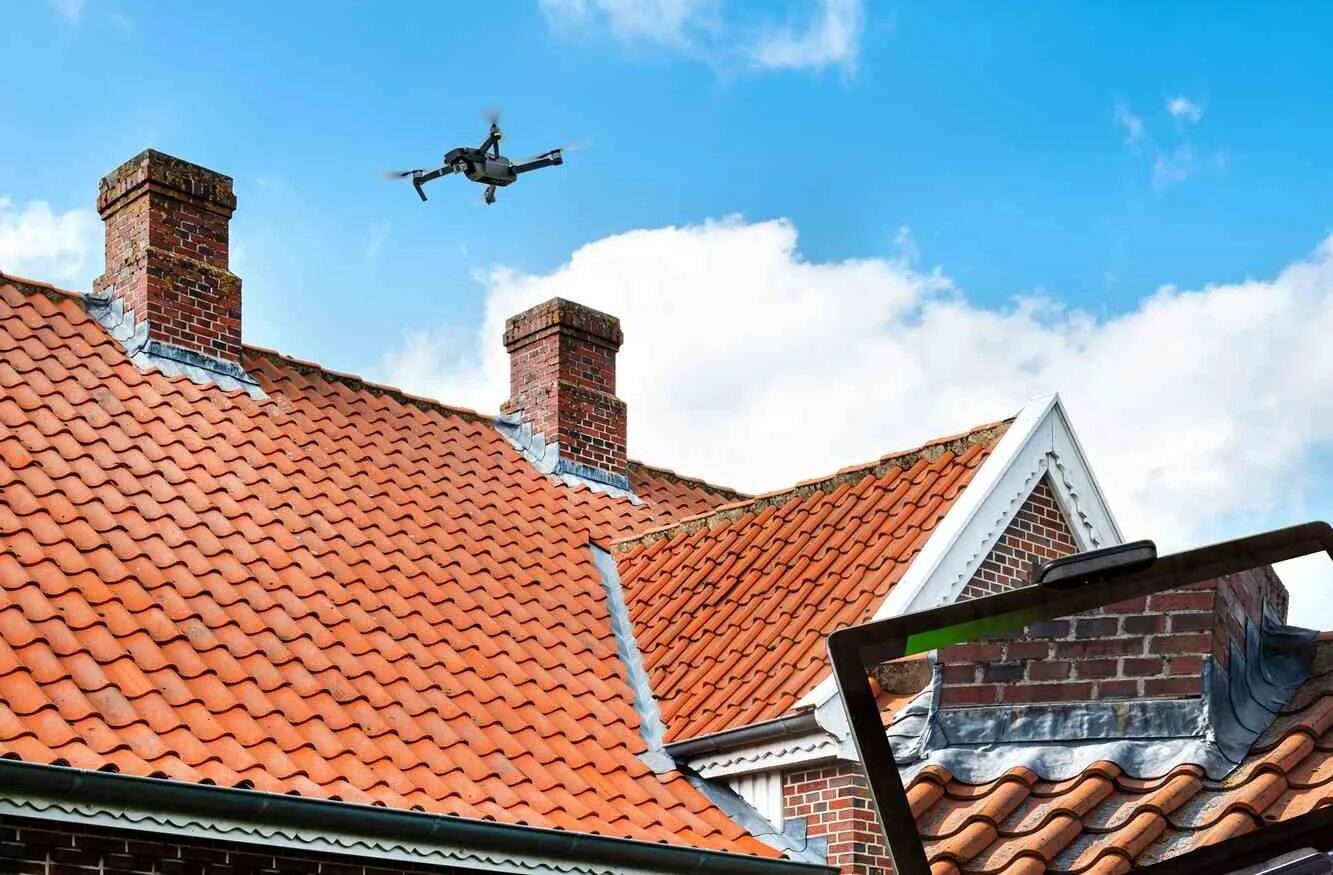
Not every drone operator can legally fly your site
Anyone can buy a drone. Flying it commercially, near people, at night or near an airport is a different matter. Here’s the difference between a typical operator working under CASA’s standard operating conditions and Site Matrix.
Typical operator (standard operating conditions)
- Daylight only
- Not within 5.5 km (3 nm) of a controlled airport
- At least 30 m from people, never over them, and not over populous areas
- Can’t apply for airspace authorisations or lodge NOTAMs
- No remote pilot licence required for sub-2 kg commercial work
Site Matrix (ReOC 9692)
- Day and night, with night-qualified pilots
- CASA authorisation applied for near controlled airports, with an ATC radio watch
- As close as 15 m from people with their written consent
- Authorisations and NOTAMs handled for you
- CASA-licensed remote pilots, a CASA-reviewed operations manual and $20 million public liability
What it means for your project
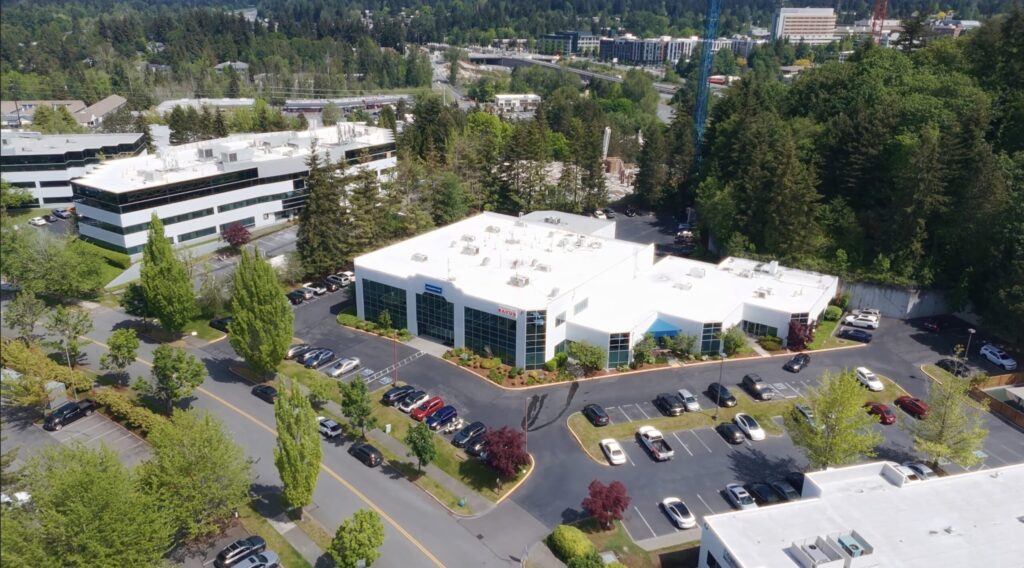
- Sites near Melbourne’s airports. Suburbs and industrial estates around Tullamarine, Essendon, Moorabbin and Avalon can be inspected — we check the airspace at quoting and apply for the CASA authorisation where one is needed.
- More accurate thermal surveys. Night flights capture moisture and heat-loss patterns that daytime sun can hide.
- Business as usual. Working closer to people (with consent) and planning exclusion zones and timing means many strata, retail and commercial buildings can stay open.
- Engineering-led, start to finish. The same team that clears the airspace interprets the data and signs off the report.
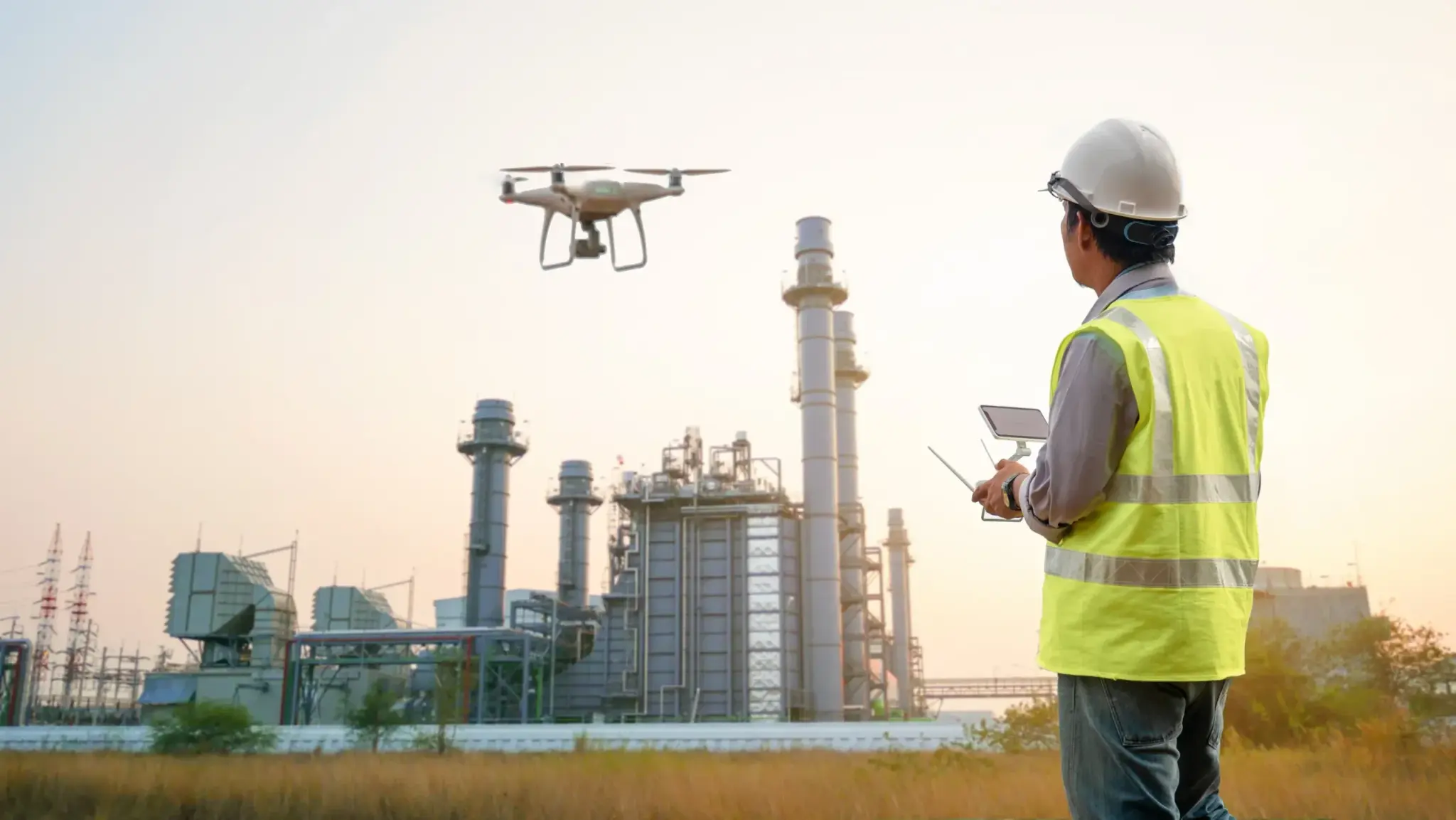
How we get your site cleared
- Airspace check at quoting. We map your site against controlled airspace, restricted areas, airport zones and nearby people.
- The right approval for the job. We confirm whether the flight sits within the standard operating conditions or needs a CASA authorisation — automated for some airports, site-specific for others.
- Authorisation and NOTAM. Our chief remote pilot applies where needed and lodges a Notice to Airmen at least 48 hours ahead when required.
- Coordination on the day. Our pilots talk directly with air traffic control where the airspace requires it.
- Fly, capture, engineer. Data captured to plan, then interpreted and reported under engineering oversight.
Before any drone operator flies your site, ask for
- Their ReOC number — and confirm it with CASA
- The remote pilot licence of the pilot who will fly
- The specific approval that covers your site: night, near people or controlled airspace
- Public liability insurance that covers drone operations
- A site risk assessment and SWMS
Your questions answered
Frequently Asked Questions
Can any drone operator fly near an airport?
No. Flying within 5.5 km (3 nm) of a controlled airport, or in controlled airspace, needs a CASA authorisation — and only the chief remote pilot of a ReOC holder can apply for one. Standard operators must stay outside those zones.
Can you fly at night?
Yes. Night operations require a ReOC, licensed and specifically trained pilots, a documented risk assessment and night procedures. We hold all of these, which is why we can schedule thermal surveys for the hours when they’re most accurate.
Do your pilots talk to air traffic control?
Yes. Our remote pilots are qualified for aviation radio and talk directly with air traffic control when we operate in controlled airspace. Together with CASA authorisation, that’s what lets us work near Melbourne’s controlled airports.
Do you need to close the area around the building?
Often not. Standard operators must stay at least 30 m from people. As a ReOC holder we can operate as close as 15 m with a person’s written consent, and we plan exclusion zones and timing so many occupied sites can stay open.
Do all jobs get approved straight away?
Many sites sit outside airport zones and can be booked quickly. Sites near a controlled airport or above 120 m need a CASA authorisation — automated for some airports, site-specific for others — and sometimes a NOTAM, which takes lead time. We tell you at quoting, so the plan and timing are clear before you commit.
Not sure if your site can be flown?
Send us the address. We’ll check the airspace, tell you which approvals apply and send a fixed written quote.
Check my siteSources: CASA — Flight approvals and permissions; Flying at night (CASA Instrument 01/17); RPA operations over or near people (CASR 101.245(3)); CASR Part 101 and the Part 101 Manual of Standards. All operations are subject to the conditions of our CASA approvals and authorisations.