A thermal imaging building inspection can reveal conditions that a standard visual inspection cannot.
Moisture may be present before staining appears. Insulation may be missing behind a finished wall. An electrical connection may be overheating before it fails.
Thermography helps locate these temperature patterns early. But it is not a magic camera, and a thermal image is not a diagnosis by itself.
Before you book, understand what the inspection can show, what it cannot confirm, and how the results should be reported.
1. Thermal imaging measures surface temperature
A thermal camera detects infrared energy and converts it into a visual temperature pattern.
It does not see through walls in the way an X-ray does. It measures the temperature of the surface facing the camera. An unusual surface temperature may be caused by a concealed condition such as:
- Moisture ingress
- Missing or displaced insulation
- Thermal bridging
- Air leakage
- Overheating electrical components
- HVAC or mechanical faults
- Differences in material density or construction
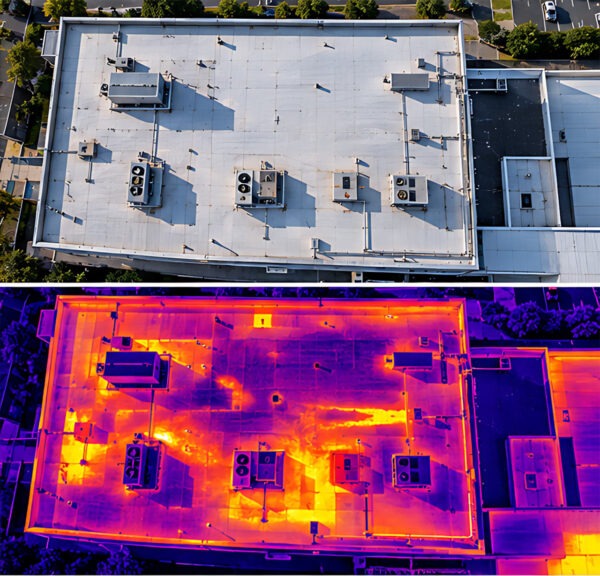
The image shows where conditions differ. Technical interpretation helps determine why.
That distinction matters. A professional inspection does not treat every colour change as a confirmed defect.
2. It can find problems before they become visible
Many building defects develop out of sight.
A roof membrane may begin to fail before water reaches an internal ceiling. Insulation gaps may affect energy performance without leaving a visible mark. A loose electrical connection may generate heat long before a breaker trips.
Thermography can identify these early warning patterns and help direct further investigation.
Site Matrix uses thermal imaging as part of its Within thermography service, where findings are located, analysed and prioritised rather than simply recorded as coloured images.
Early detection changes the decision.
It may allow a targeted repair instead of a larger replacement, a planned maintenance activity instead of an emergency response, or a documented condition assessment before a dispute develops.
3. Thermal imaging does not directly detect moisture or mould
This is one of the most important limitations to understand.
A thermal camera does not directly measure moisture content, mould growth or structural strength. It detects temperature differences that may be associated with those conditions.
For example, moisture can change the thermal behaviour of a building material. Evaporation may cool a surface. Wet materials may retain heat differently from surrounding dry materials. These effects can create a thermal anomaly.
The anomaly is a clue.
Confirmation may require a moisture meter, visual inspection, access to the affected area or another form of non-destructive testing. In some cases, intrusive investigation may be necessary.
The best report explains both the finding and the level of certainty behind it.
4. Inspection conditions affect the result
Thermography relies on a useful temperature difference between the area being assessed and its surroundings. This is commonly referred to as the temperature differential, or delta T.
If internal and external temperatures are almost the same, insulation defects and thermal bridges may be difficult to distinguish. Sunlight, wind, rain, reflective surfaces and recent changes in heating or cooling can also affect readings.
For electrical thermography, equipment generally needs to be operating under a meaningful load. A connection may appear normal when little current is flowing and show a significant temperature rise during normal operation.
Timing is part of the inspection plan.
A competent provider should ask about:
- Recent weather conditions
- Building occupancy and HVAC operation
- Internal and external temperatures
- Electrical load conditions
- Surface materials and finishes
- Access, obstructions and safety constraints
A camera cannot compensate for unsuitable inspection conditions.
5. Different applications require different methods
“Thermal building inspection” can describe several different scopes.
Building envelope
Roofing, façades, walls, windows and ceilings can be assessed for patterns associated with insulation defects, moisture and heat transfer.
Electrical systems
Switchboards, distribution boards, cabling and connections can be surveyed for abnormal heat patterns while operating under load. Electrical work must be planned and interpreted by appropriately qualified personnel.
HVAC and mechanical equipment
Thermography can help identify temperature imbalances, restricted flow, overloaded components and other conditions affecting mechanical systems.
Construction quality and verification
Thermal imaging may support checks of insulation installation, drying conditions and building-envelope performance, depending on the construction stage and the question being asked.
The scope should be defined before the site visit. A roof survey is not the same service as a switchboard inspection or an internal moisture investigation.

6. A thermal anomaly is a starting point, not the final answer
Thermal images are valuable because they help focus attention.
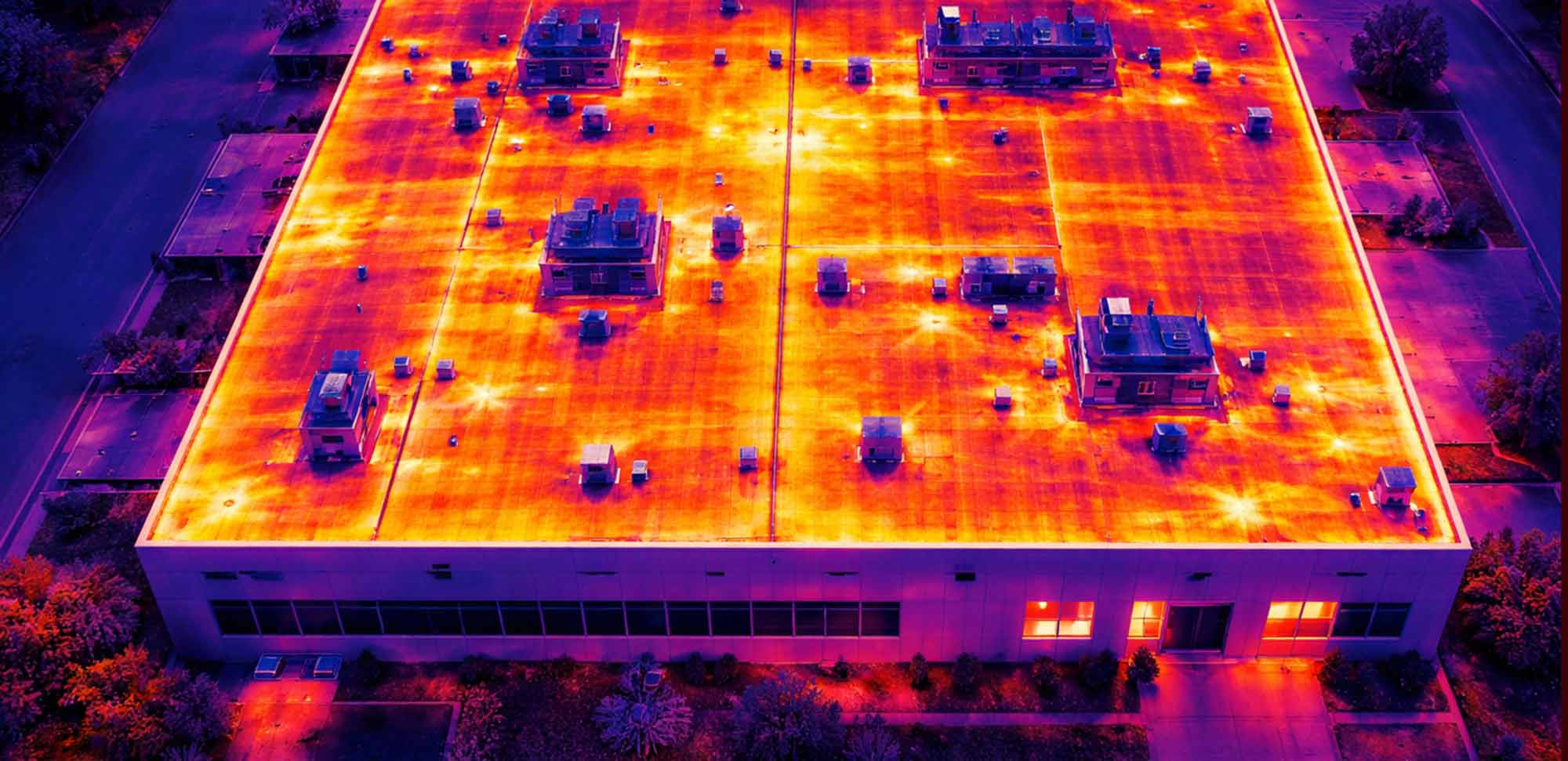
They can show that one section of a wall is behaving differently from adjacent sections. They can identify a hot electrical connection among otherwise consistent components. They can reveal a cold or warm pattern across a roof that warrants further checking.
But interpretation depends on context.
The thermographer should consider the building’s construction, orientation, materials, use, weather exposure and operating history. A warm patch may be a fault, or it may be a normal result of a pipe, light fitting or mechanical component behind the surface.
A useful report should include:
- A visible-light image
- A corresponding thermal image
- The location of the finding
- Relevant temperature information
- The likely significance
- Recommended follow-up action
- Any limitations affecting confidence
The report should help you decide what happens next.
7. Ask about qualifications, standards and engineering oversight
The quality of thermography depends on more than the camera.
Ask who will collect the data, who will interpret it and who will take responsibility for the report. Experience with buildings, electrical systems or industrial assets is also relevant because the same thermal pattern can mean different things in different contexts.
For residential pre-purchase inspections, AS 4349.1-2007 provides a framework for visual building inspections and reporting. Thermal imaging is generally an additional diagnostic method, not a replacement for the broader inspection.
For building thermography, ISO 6781-1 provides international guidance relating to infrared detection of heat, air and moisture irregularities.
Site Matrix delivers thermography using Level 2 Infraspection certification, with reporting overseen by a Registered Professional Engineer. Drone-based thermal captures operate under CASA ReOC 9692 where aerial access is appropriate.
Credentials should support a defined process. They should not be used as decoration.
8. A drone can extend the inspection area
Some roofs, façades and elevated assets cannot be safely assessed from the ground.
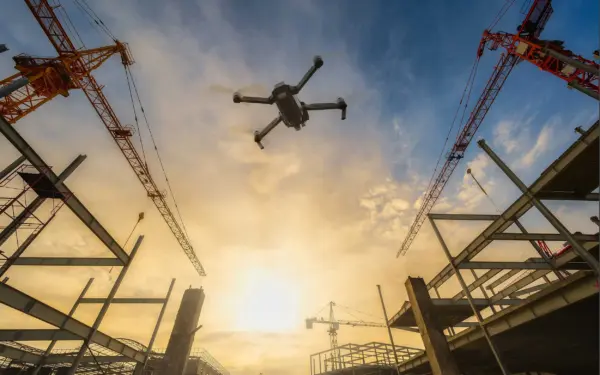
A drone equipped with thermal and visible-light cameras can capture data across difficult-to-access areas without scaffolding, elevated work platforms or unnecessary exposure to height-related hazards.
This can be useful for:
- Large commercial roofs
- High-rise façades
- Industrial buildings
- Rooftop plant
- Solar installations
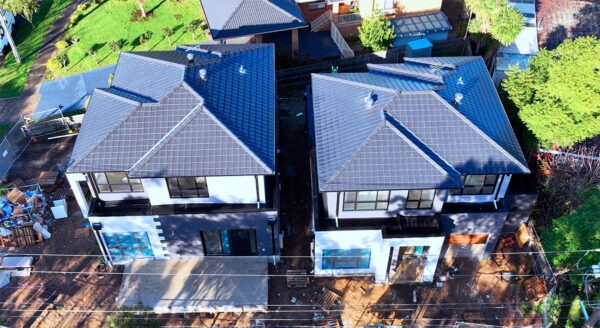
- Construction sites
- Remote infrastructure
Aerial thermography still requires careful planning. Flight restrictions, weather, thermal resolution, distance from the asset and surface geometry all affect the result.
The drone provides access. Engineering interpretation provides meaning.

9. The report should be practical and defensible
A set of thermal photographs is not the same as an inspection report.
Before booking, ask what you will receive. A decision-ready report should make findings easy to locate and understand. It should distinguish between an observed thermal pattern, a likely cause and a confirmed defect.
For commercial property owners, facility managers and asset managers, useful reporting may also include:
- Asset or area identification
- Condition ratings or priority levels
- Annotated photographs
- Temperature comparisons
- Limitations and access notes
- Recommendations for further testing
- Repair or maintenance priorities
- A baseline for future comparison
Site Matrix’s engineering-led inspection method combines aerial, thermal and structural evidence where the asset requires more than one inspection perspective.
What cannot be seen from the surface may require a second method. That is not a weakness in thermography. It is a reason to use the right evidence for the question.
10. Ask these questions before you book
A reputable provider should be able to answer the following clearly:
- What areas and systems are included in the scope?
- Is the inspection handheld, drone-based or both?
- What conditions are required for a reliable result?
- Will electrical equipment be inspected under normal operating load?
- Which qualifications and technical procedures apply?
- Who interprets the images and reviews the report?
- Will visible-light and thermal images be provided together?
- How are findings prioritised?
- What follow-up testing may be required?
- Can the results support maintenance, warranty or insurance decisions?
The answers will tell you whether you are booking a technical inspection or simply receiving a collection of heat images.
Make hidden conditions easier to act on
Thermal imaging is most useful when it is tied to a clear decision.
You may need to locate suspected moisture before opening a wall. Verify insulation performance before handover. Check electrical equipment during planned maintenance. Assess a roof before water damage becomes visible. Establish a baseline for future asset inspections.
The right process is straightforward:
Define the question. Capture the evidence. Interpret the pattern. Confirm the cause. Act on the result.
If you need to understand what a thermal imaging building inspection should cover, contact Site Matrix to discuss the asset, access conditions and reporting requirements. You can also download the Site Matrix Capability Statement for an overview of our thermography, drone inspection and non-destructive testing services.
Nothing overlooked. Nothing left unexplained.